One in every five traffic deaths in Massachusetts involved a person walking in 2025, new report finds
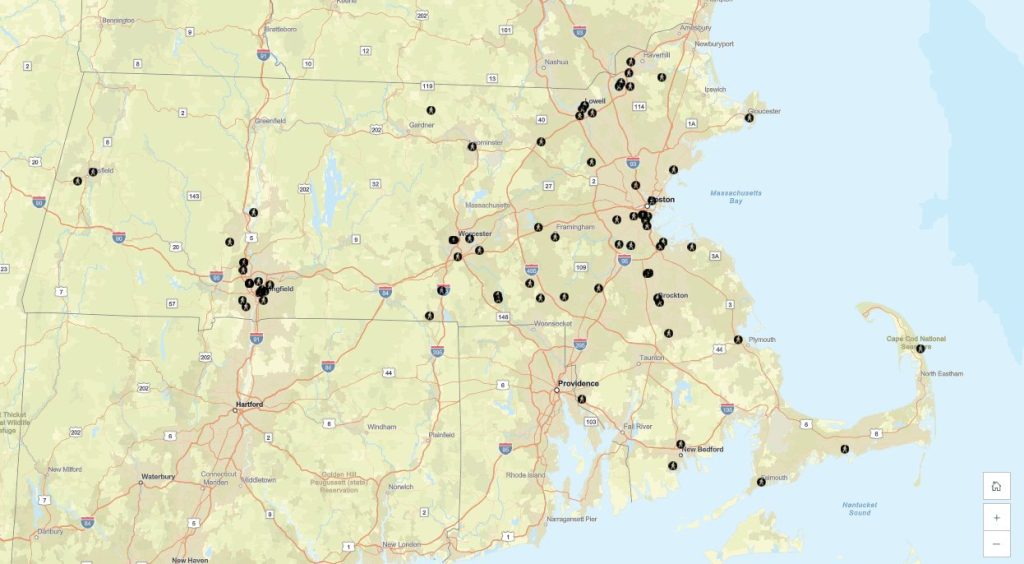
WalkMassachusetts’ fifth annual report shows older adults and residents in Environmental Justice communities continue to be most affected and calls for action to slow speeds and improve street safety
BOSTON, MA (June 17, 2026) – In 2025, one in every five traffic deaths in Massachusetts involved a person walking. Of the 354 total traffic fatalities reported statewide, at least 76 were pedestrians, accounting for more than 21 percent of all deaths.
These findings come from Fatal Pedestrian Crashes in Massachusetts 2025, WalkMassachusetts’ fifth annual report tracking pedestrian fatalities across the Commonwealth. The report draws from MassDOT crash data to examine where, when, and how these crashes occur, and where action is needed to make streets safer.
“We are heartbroken each year as we learn the stories of people walking who lose their lives in crashes that are often preventable,” said Brendan Kearney, executive director of WalkMassachusetts. “One factor continues to show up again and again: speed. Our streets are still designed in ways that allow people to drive too fast, making it harder for drivers to see and safely yield to people walking.”
Key findings include:
- 43.4% of people killed while walking were age 65+, despite representing 18.7% of the population
- 69.7% of crashes occurred in the dark
- 69.7% happened on local streets controlled by a city or town
- 49 communities experienced a pedestrian fatality, including 13 with multiple deaths
- 71.1% of the fatal crash deaths were on roadways with 25- 35 mph speed limits. This does not take into account the speed a person was driving before the crash.
- 17% of fatalities involved drivers leaving the scene, pointing to ongoing enforcement and accountability challenges
Older adults continue to be disproportionately impacted. In 2025, 43.4 percent of people killed while walking were age 65 or older, marking the fifth consecutive year this age group has been overrepresented in fatal pedestrian crashes.
“People of all ages deserve safe and connected infrastructure that accommodates everyone’s needs,” said James Fuccione, executive director of Massachusetts Healthy Aging Collaborative. “While the rates have shifted higher and lower, older adults have been disproportionately impacted in pedestrian fatalities since WalkMassachusetts started compiling these annual reports, and it underscores the need to prioritize aligning age-friendly efforts with planning, policy, and funding programs.”
More than half of pedestrian fatalities continue to occur in Environmental Justice communities, continuing a pattern seen in previous years and reflecting ongoing disparities in roadway conditions and street safety.
The report also points to gaps in how pedestrian crashes are tracked. For example, deaths that occur more than 30 days after a crash are often not included in official crash data, and inconsistencies in reporting mean some hit-and-run incidents may not be fully captured, making it harder to understand the full scope of the issue.
At the local level, some communities are demonstrating what progress can look like. In Somerville, serious-injury crashes declined by 50 percent in 2025, and the city reported zero traffic fatalities for the third consecutive year, reflecting the impact of sustained Vision Zero efforts and traffic-calming investments such as speed humps.
WalkMassachusetts is calling for renewed momentum in Boston, where pedestrian injuries have increased while some safety efforts have slowed. Fewer than two dozen speed humps were installed last year, compared to more than 600 in 2024. The organization is urging a restart of the City’s Safety Surge program, which uses traffic calming measures such as speed humps, safer intersections, and signal changes to slow speeds and reduce crashes on neighborhood streets.
To support safer streets statewide, WalkMassachusetts continues to expand its walk audit programs and community partnerships. Upcoming efforts include walk audit trainings in Melrose and Stoneham, as well as collaborations with advocacy groups and municipal leaders in Brockton and Danvers to identify hazards and help move local safety improvements forward.
WalkMassachusetts is also encouraging residents to suggest safety improvements through the upcoming 2027 Massachusetts Strategic Highway Safety Plan, which MassDOT and the UMass Transportation Center will gather public feedback on this summer.
“Brockton has recorded at least two pedestrian crash deaths every single year for the past five years, on the very streets where residents walk to work, to the bus stop, to run errands, and go about their daily lives,” said Isabel Lopez, founder and director of Brockton Workers Alliance. “No one should lose their life just getting where they need to go, especially when this can be prevented. Residents continue to tell us loud and clear that unsafe bus stops, poorly lit streets, and unreliable service are making daily life harder and more dangerous. We’re excited to bring walk audits to Brockton, because the people who navigate these streets every day should have a voice in making them safer.”
WalkMassachusetts is also urging progress on policy solutions such as H.3754, An Act relative to traffic regulation using road safety cameras, which would allow municipalities to opt in to tools like speed and red-light cameras that have been shown to reduce crashes in other states.
Learn more and access the full report at www.walkmass.org/fatal25
###
About WalkMassachusetts
WalkMassachusetts makes walking safer and easier to encourage better health, a cleaner environment, and more vibrant communities. Founded in 1990 as WalkBoston, the organization envisions a Commonwealth where everyone—regardless of race, age, ability, or identity—feels safe and valued on our streets and sidewalks.